
How Lubricants and Moisturisers Help with Menopause and Vaginal Dryness
Menopause and vaginal dryness go hand in hand. About half of women experience dryness after their periods stop, and even though it happens to many, a lot of women just deal with it on their own for years. They don’t talk about it with their GP because it feels uncomfortable or embarrassing.
For some women, it’s a little more complicated than simply temporary irritation. For others, it makes walking, exercise or sex uncomfortable, and it can gradually start to affect everyday life and relationships. Either way, it isn’t something that has to be lived with.
There are several ways to manage menopause and vaginal dryness, and two of the simplest ways are to use vaginal moisturisers and lubricants, which we cover in this article. Keep reading to learn more.
Why Menopause and Vaginal Dryness Go Hand in Hand
Oestrogen keeps the vaginal tissues moist, elastic and well supplied with blood. When levels drop in perimenopause and menopause, the tissues get thinner and drier, stretch less and make less of their own lubrication.
Itching and dryness are usually the first signs, but symptoms can also include:
- Dryness inside the vagina or around the vulva
- Vaginal dryness and itching, or general irritation
- Burning or soreness
- Discomfort during everyday activities
- Pain or discomfort during sex
- Less natural lubrication when aroused
- Urinary symptoms, such as needing to pass urine more often
Doctors call this group of vaginal, vulval and urinary symptoms Genitourinary Syndrome of Menopause, or GSM. Yes, the name sounds complicated, but it simply means symptoms caused by lower oestrogen in the genital and urinary tissues.
Unlike hot flushes, GSM doesn’t usually settle once menopause is over. Vaginal dryness after menopause can last for years and may slowly get worse if it’s left untreated, so postmenopausal vaginal dryness should be dealt with as soon as possible.
How Menopause and Vaginal Dryness Change Over Time
Dryness can start during perimenopause, when oestrogen levels begin to rise and fall unpredictably, and for many women it continues for years after their last period. Often the first clue is sex, where more lubrication is now needed than before and for some women, they might also experience soreness afterwards.
These changes often happen over a period of time, and for many women, they continue through everyday life without noting any problems. Some women may then stop wearing certain clothing, avoid activities and sex, due to these symptoms that appear after some time. When this happens, it can affect a woman’s confidence, intimacy and relationships.
Other Causes of Vaginal Dryness
Menopause is the most common cause of vaginal dryness in midlife, but not the only one. Childbirth and breastfeeding lower oestrogen too, and some medicines and treatments, including certain cancer treatments, can dry the vaginal tissues.
Perfumed soaps, douches and intimate fragranced products are a common cause, often behind a dry and itchy vulva, and they can make existing symptoms worse. In some cases, dryness during sex simply comes down to not having enough time or stimulation for natural lubrication to happen.
The Difference Between a Vaginal Moisturiser and a Lubricant
Both products can help with vaginal dryness, but they aren’t interchangeable, but it’s easy to mix them up.
Moisturisers are for everyday dryness, but lubricants are for sex. The simplest way to choose is to notice when the symptoms show up.
Dry or uncomfortable during the day? Start with a moisturiser.
Only a problem during sex? A lubricant may be all that’s needed.
How Vaginal Moisturisers Work
A vaginal moisturiser is designed to help maintain hydration within the vaginal tissues in much the same way that a moisturiser supports dry skin. It isn’t used just before sex. Instead, it’s applied regularly to keep the area hydrated. Most come as a gel, cream or small pessary-style insert, and many contain hyaluronic acid, which is the same ingredient that’s in a lot of skincare because it holds on to water so well.
How often to use one depends on the product. Some are daily, others every few days, so follow the instructions on the pack.
Always check how the product works, as each product can be for different areas. The vagina is internal, and the vulva is external, and a moisturiser made for one may not suit the other. If any symptoms like burning, stinging, or irritation happen, then stop using the product immediately and contact a GP.
Most vaginal moisturisers contain no hormones, which makes them a good first step for women who’d rather avoid hormonal treatment, but always check the label to confirm.
Choosing the Best Lubricant for Vaginal Dryness
The simple way to think about it is that lubricants reduce friction. Dry tissue means more friction during sex, and dry tissue causes discomfort and soreness afterwards. A lubricant for dryness adds moisture exactly when it is needed and can be topped up during sex, but lubricant will not help with dryness for the rest of the day.
There’s no single best lubricant for vaginal dryness as every woman is different. The right lubricant depends on how sensitive the skin is, how long it needs to last and whether condoms or sex toys are involved.
Lubricants come in three main types, and these include water-based, silicone-based and oil-based.
Water-Based Lubricants
Water-based lubricants are the easiest place to start as they’re widely available, easy to wash off and usually safe with condoms and sex toys. The main drawback is that some dry out fairly quickly and may need reapplying during sex. For sensitive skin, pick one made for intimate use and stop if it causes irritation.
Silicone-Based Lubricants
Silicone-based lubricants last much longer than water-based ones and don’t need reapplying as often, which makes them a good option for women who find water-based lubricants dry out too quickly during sex. However, silicone lubricant can damage silicone sex toys, so it’s worth checking the labels on both products before using them together.
Oil-Based Lubricants
Oil-based lubricants stay more slippery for a longer period of time, but they don’t mix well with latex condoms. Oil weakens the latex, which makes a condom more likely to tear, so if condoms are being used for contraception or STI protection, a water-based or silicone-based lubricant is more appropriate.
What to Look for in a Vaginal Moisturiser or Lubricant
Labels saying “intimate”, “feminine” or “natural” don’t guarantee a product was made for vaginal dryness. Look for one designed for vaginal or vulval use, depending on where the symptoms are. Some moisturisers use hyaluronic acid, others use different ingredients, and some are pH balanced to match the vaginal environment.
Women with dry or sensitive skin are usually better off with a product that has only a handful of ingredients. Perfumes, colourings and other extras might make a product smell or look nicer, but they’re also among the most common causes of irritation around the vagina and vulva.
Is There a Natural Treatment for Vaginal Dryness?
Although many women look for a natural cure for vaginal dryness, the truth is that there isn’t really one, especially when falling oestrogen is behind it.
Home remedies such as coconut oil, petroleum jelly and body lotion come up a lot online, but the NHS advises being careful with home remedies like these. The vagina is much more sensitive than the skin on the rest of the body, and some of these products can cause irritation or infections, while oils can also weaken condoms. A product made for vaginal or vulval use is the safer bet, and it’ll come with proper instructions on how to use it.
Examples of vaginal Moisturisers and Lubricants
There are many vaginal moisturisers and lubricants available, and the right choice depends on your symptoms, skin sensitivity and personal preferences.
When choosing a product, look for one designed specifically for vaginal or vulval use. Some women prefer a regular vaginal moisturiser for ongoing dryness, while others find that using a lubricant during sex provides enough relief.
Below are some examples of products commonly used by women experiencing vaginal dryness.
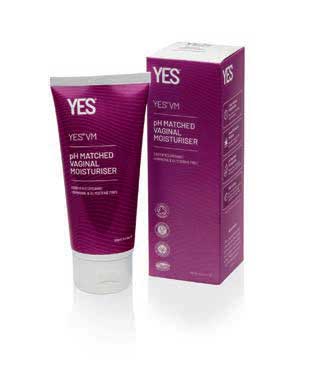
YES VM Vaginal Moisturiser
YES VM is a hormone-free vaginal moisturiser designed to help with ongoing vaginal dryness. It is a pH-balanced gel that can be used regularly to support hydration of the vaginal tissues.
According to the manufacturer, it is certified organic and compatible with latex and polyisoprene condoms. Many women use a vaginal moisturiser such as YES VM as part of their regular self-care routine rather than only when symptoms flare up.
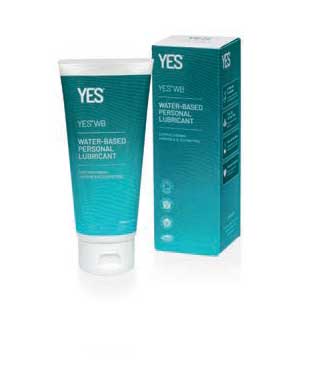
YES WB Water-Based Lubricant
YES WB is a water-based lubricant designed to reduce friction during sex. Water-based lubricants are often recommended as a first option because they are easy to wash away and are generally compatible with condoms and sex toys. As with other water-based lubricants, some women find they need to reapply it during longer periods of sexual activity.
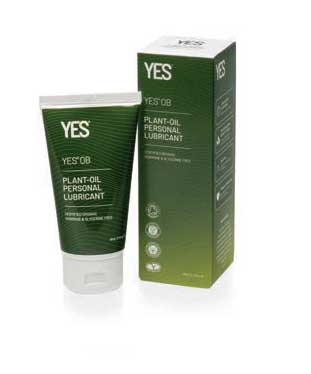
YES OB Oil-Based Lubricant
YES OB is an oil-based lubricant made from plant oils and butters.
Oil-based lubricants tend to last longer than water-based products and may feel more moisturising on sensitive tissues. However, they should not be used with latex condoms, as oil can weaken latex and increase the risk of breakage.
Using a Moisturiser and Lubricant Together
Many women choose to use both a vaginal moisturiser and a lubricant.
A moisturiser can help manage day-to-day dryness, while a lubricant can provide additional comfort during sex by reducing friction.
If symptoms continue despite using these products, or if dryness, discomfort or pain are affecting your quality of life, it is worth speaking to a GP or menopause specialist about other treatment options, including vaginal oestrogen.
Painful Sex and Vaginal Dryness
Lubricants and moisturisers can help when dryness and friction are behind the pain. The medical term for painful sex is dyspareunia, and when it’s caused by dryness, using a lubricant during sex can make a big difference by reducing friction. If dryness is also a problem day-to-day, adding a regular vaginal moisturiser can help keep the tissues comfortable in between.
That said, dryness isn’t the only reason sex can hurt. Low oestrogen can leave the vaginal tissues thinner and less stretchy, and problems with the pelvic floor, infections and other gynaecological conditions can all cause pain too. Speak to a GP or menopause specialist if sex still hurts despite using lubricant, as it’s important to know why this is happening.
Vaginal Oestrogen and HRT
While lubricants and moisturisers are good for easing symptoms, they simply can’t replace the lost oestrogen from the body. If the vaginal tissues themselves have become thin and fragile, vaginal oestrogen is often the next step.
It works quite differently from a moisturiser. Rather than just adding moisture, it delivers a low dose of oestrogen straight to the vaginal tissues to help restore them, and it’s available as a cream, gel, tablet, pessary or a soft ring that sits inside the vagina.
For mild dryness, lubricants and moisturisers may be all that’s needed, but if symptoms don’t improve, vaginal oestrogen is well worth discussing with a GP or menopause specialist. Treatment isn’t fixed either, and it can be adjusted as symptoms change over time.
Moisturisers can be used alongside HRT, but HRT doesn’t always clear up vaginal dryness on its own. If other symptoms improve but dryness doesn’t, it’s worth mentioning at the next review, as the vaginal tissues sometimes need more targeted treatment.
Other Ways to Ease Vaginal Dryness
Be more patient during the build-up to penetrative sex to allow for arousal to happen, as this can help to boost natural lubrication. However, when low oestrogen is the cause, then unfortunately, arousal alone might not be enough.
It’s also important to be gentle with the vulval area. The vagina is self-cleaning, so scented soaps, douches and fragranced washes aren’t needed and are best avoided, especially if they cause irritation. If a medicine might be contributing to the dryness, it’s best to speak to a GP or pharmacist before stopping it.
When to See a Doctor About Vaginal Dryness
Vaginal dryness is common, but symptoms that won’t go away require attention. See a GP or menopause specialist if symptoms:
- Last for more than a few weeks
- Affect everyday life
- Make sex painful
- Get worse over time
- Don’t improve with a suitable lubricant or moisturiser
- Keep coming back
It’s also important to see a doctor or menopause specialist about any unusual discharge, ongoing pain or bleeding, and bleeding after menopause should always be checked, even if it seems to be due to dryness or sex. Getting the right diagnosis early can save a lot of time spent trying products that were never going to help.
Frequently Asked Questions
Most women do well starting with a water-based lubricant, as it’s easy to wash off and works with condoms. However, water-based lubricants can sometimes dry out too fast. On the other hand, a silicone-based one lasts longer. Either way, choose one made for intimate use.
Look for a product made for vaginal dryness and regular use and consider one with hyaluronic acid. If it isn’t enough, a menopause specialist can talk through other options.
Check the packaging of the product. Some moisturisers are designed for daily use, while others only need applying every few days.
Yes, Vaginal moisturisers and lubricants are both hormone-free. If they don’t help enough and the dryness is linked to menopause, a menopause specialist can suggest what to try next.
See a menopause specialist or GP when dryness doesn’t go away, gets in the way of daily life, makes sex painful or doesn’t improve with a moisturiser or lubricant. Unusual discharge, ongoing pain, bleeding after sex and any bleeding after menopause should always be checked.
If the vagina feels dry or uncomfortable during the day, a moisturiser is a good choice, but if the dryness mainly appears during sex, then choose a lubricant.
A Final Word
Every woman’s experience of vaginal dryness is a little different. Some women find that lubricant is enough for their body, but others still need a moisturiser as part of their routine. However, for women whose symptoms are linked to ongoing menopause changes, vaginal oestrogen may be the better long-term option.
For dryness that comes and goes, extra lubrication may be all that’s needed. When it’s there most days, gets in the way of sex or starts to hurt, then it’s time to contact a GP or menopause specialist to find the root cause of the problem. Help with menopause and vaginal dryness is always available, so there’s no need for any woman to simply put up with it today.
References
- British Society for Sexual Medicine (2024). Position statement for management of genitourinary syndrome of the menopause (GSM). Available at:
https://bssm.org.uk/wp-content/uploads/2024/03/BSSM-Position-statement-for-management-of-genitourinary-syndrome-of-the-menopause-GSM.pdf - Briggs, P. (2020). Genitourinary syndrome of menopause. Post Reproductive Health. Available at:
https://doi.org/10.1177/2053369119884144 - British Journal of General Practice (2025), 75(761), p. 581. Available at:
https://bjgp.org/content/75/761/581 - NHS (n.d.). Vaginal dryness. Available at:
https://www.nhs.uk/symptoms/vaginal-dryness/ - National Institute for Health and Care Excellence (2015, updated 2024). Menopause: identification and management (NG23). Available at:
https://www.nice.org.uk/guidance/ng23/chapter/Recommendations