How to Get HRT for Menopause | A Specialist’s Guide
●
You can get HRT from your GP or from a specialist menopause clinic. In my experience, most women who struggle to get help aren’t refused HRT outright, they struggle to get a clear diagnosis. Going in prepared can help you explain what you’re experiencing.
One of my patients is a good example. She went to her GP several times but found it hard to explain what she was feeling. She rarely saw the same doctor twice, so every appointment started from scratch, and she left each one without a diagnosis. Research has shown that women in the UK often have to attend up to ten GP appointments before receiving an accurate menopause or perimenopause diagnosis.
When she came to MenoClinic, we started with her symptoms and how they were affecting her day-to-day life. Today her symptoms have reduced, she can get through her day more comfortably, and she feels like herself again.
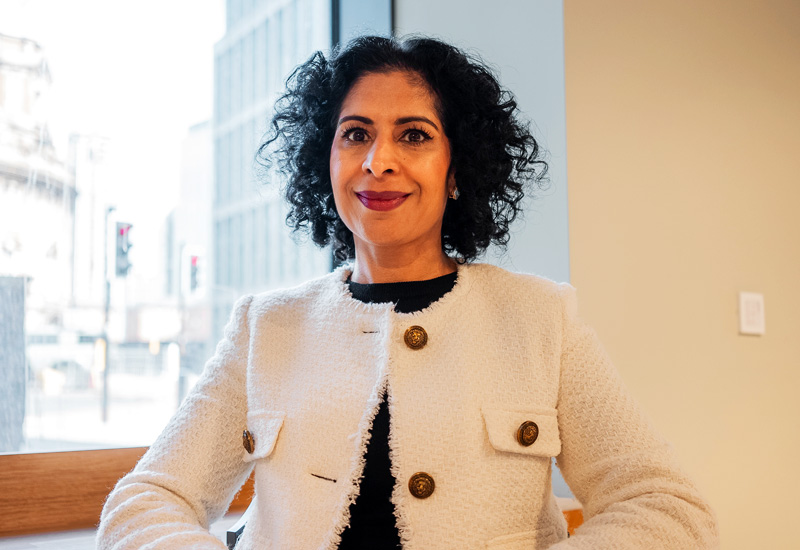
I’m Naila Dad, an Independent Prescribing Pharmacist, a member of the British Menopause Society and a CoSRH-qualified menopause specialist. I founded MenoClinic in 2024. In this guide, I share what I’ve learned about getting the right HRT, and getting it sooner.
Why Getting HRT Can Feel So Hard
Menopause symptoms are wide-ranging and easy to put down to something else. Tiredness, low mood, weight gain and poor sleep are often blamed on stress, work or family life.
GP appointments are short, and many women see a different doctor at each visit. Without a clear record of symptoms, every conversation starts again. That’s how women end up with months of appointments and no diagnosis.
You can change this through how you prepare.
Step 1: Prepare for Your GP Appointment
Write everything down before you go. A written list means you won’t forget anything under pressure, and it still helps if you see a different doctor next time.
Make notes on:
- Your symptoms. List everyone, even those that seem unrelated.
- How long you’ve experienced them, and whether they’re getting worse.
- How you feel, including the effect on your work, sleep, relationships and confidence.
- Changes to your periods, such as heavier, lighter, irregular or stopping.
- Changes to your mood, such as anxiety, irritability or feeling low or flat.
- Weight gain and tiredness, including when they started.
Give the list to your GP at the start of the appointment or ask for it to be added to your record. It turns a vague conversation into a clear picture.
The Cancer Fear That Holds Women Back
One of the most common concerns I hear is that HRT causes cancer. Much of this fear stems from the Women’s Health Initiative (WHI) study published in 2002, which received widespread media attention and led many women to avoid or stop HRT.
What is often overlooked is that most participants in the study were older, many years beyond menopause, and were using hormone formulations that are less commonly prescribed today. Subsequent analyses have shown that the risks were not the same for all women and that, for many healthy women who start HRT around the time of menopause, the balance of benefits and risks is more favourable than early headlines suggested.
HRT is not completely risk-free. Some types, particularly combined oestrogen-progestogen HRT, are associated with a small increase in breast cancer risk. However, the level of risk varies according to the type of HRT used, how long it is taken, and an individual’s medical and family history. That is why decisions about HRT should be made through an informed discussion with a healthcare professional, based on your personal circumstances rather than fears created by outdated or oversimplified headlines.
What Women Aren’t Told About Long-Term Health
In my view, the bigger problem is that women don’t know the real impact menopause has on their long-term health. Falling oestrogen affects far more than hot flushes.
It’s linked to weaker bones and osteoporosis, and to a higher risk of heart disease. Treating menopause early isn’t only about feeling better now. It’s preventative healthcare for the decades ahead.
Extra Barriers for South Asian and Ethnic Minority Women
MenoClinic supports all women. But I see South Asian women facing extra hurdles that makes getting HRT even harder.
Stigma. Menopause often isn’t talked about, so symptoms stay private.
Lack of knowledge. Many women were never taught what menopause is or that treatment exists.
Busy lives. Many are caring for several generations at once, including parents, children and grandparents, and their own health comes last.
Little openness or support. Partners, husbands and wider family may not understand symptoms or want to discuss them.
Religion and culture. Beliefs and cultural expectations can affect whether women feel able to seek help.
This is personal for me. “My aunts in Pakistan went through menopause without ever speaking about it. No treatment. No conversation. Just silence, and an assumption that suffering was part of being a woman. That silence is what led me to found MenoClinic in 2024.”
If any of this sounds familiar, you’re not alone, and you don’t have to put up with it.
Still Stuck? Get HRT Through a Menopause Specialist
If you’ve been to your GP and are still waiting for answers, a specialist menopause service is another route. At MenoClinic, an initial consultation costs £75, and your prescription can reach you within approximately 24 hours.
Here’s what happens:
- We review your symptoms, health history and lifestyle, so we see the full picture rather than one symptom.
- We listen to what matters most to you: which symptoms are worst, and how they affect your quality of life, health and family.
- We review any HRT you’re already taking and optimise it. If it isn’t working, we look at whether the type or dose needs changing.
- Your prescription is sent straight to the pharmacy, and you can receive it approximately 24 hours later.
Consultations are online, so you can fit them around work and family.
When to Stay With Your GP
A specialist online service isn’t right for everyone. I’d advise staying with your GP if you have:
- A family history of cancer, especially hormone-related cancer
- Been treated for cancer in the past
- PMDD (premenstrual dysphoric disorder)
- Complex gynaecological issues
In these cases, you’re likely to need a referral to a gynaecologist and support from hospital specialist teams. Those teams work best alongside your GP, who holds your full NHS record.
You Deserve to Be Heard
Getting HRT starts with being clear about your symptoms and not giving up after one difficult appointment. Write things down, ask questions, and don’t let outdated fears decide for you.
Every woman deserves to be heard, believed and treated. If you’re ready to talk to a specialist, you can book a consultation at menoclinic.uk.
This article is general information, not personal medical advice. Please speak to a healthcare professional about your own circumstances.
About the author


Book a consultation
with us today
Symptom Checker
Our symptom checker makes it easier for you to identify your symptoms and pinpoint whether menopause is the root cause of your issues, or if we need to refer you for further investigations.